
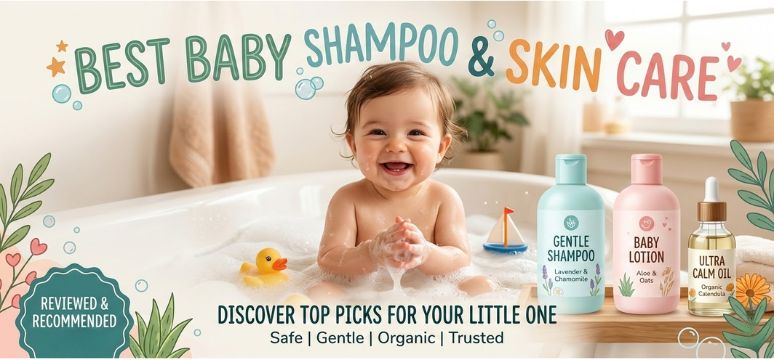
When it comes to caring for a baby’s delicate skin and hair, choosing the right baby shampoo and skincare products is essential. A baby’s skin is significantly more sensitive than adult skin, making it more vulnerable to irritation, dryness, and environmental stress. Because of this, we must rely on mild, nourishing, and dermatologically tested products specifically designed for infants.
In this comprehensive guide, we explore the best baby shampoo and skin care solutions, the ingredients parents should look for, the ingredients to avoid, and how to establish a gentle daily routine that protects and nourishes your baby’s sensitive skin.
Understanding a Baby’s Sensitive Skin
Baby skin is 30% thinner than adult skin, which means it absorbs products more easily. While this makes moisturization effective, it also means harmful ingredients can penetrate quickly. Because of this unique sensitivity, baby care products must be:
-
Hypoallergenic
-
Dermatologist-tested
-
Tear-free
-
Free from harsh chemicals
A baby’s skin also loses moisture faster than adult skin. Therefore, hydration and protection should be the primary focus of any baby skincare routine.
Proper baby care involves selecting gentle shampoos, moisturizers, body washes, and lotions that support the skin’s natural barrier while keeping it soft and healthy.
Best Baby Shampoo for Gentle Hair and Scalp Care
Why Choosing the Right Baby Shampoo Matters
Baby shampoo is specially formulated to cleanse the scalp without stripping natural oils. Regular shampoos designed for adults contain strong detergents that can irritate a baby’s scalp and eyes.
The best baby shampoos typically feature:
-
Tear-free formulas
-
Natural moisturizing ingredients
-
pH-balanced composition
-
Sulfate-free cleansing agents
These shampoos help maintain the scalp’s natural balance while keeping hair soft and manageable.
Top Ingredients Found in the Best Baby Shampoos
1. Aloe Vera
Aloe vera is widely known for its soothing and hydrating properties. In baby shampoo, it helps calm scalp irritation and prevents dryness.
2. Chamomile Extract
Chamomile provides anti-inflammatory and calming benefits. It gently cleanses the scalp while reducing redness and irritation.
3. Coconut-Derived Cleansers
Coconut-based cleansers provide mild cleansing without harsh chemicals. They effectively remove dirt while keeping the scalp moisturized.
4. Calendula
Calendula is often used in baby products because it helps heal minor skin irritations and support skin repair.
Ingredients to Avoid in Baby Shampoo
When selecting baby shampoo, certain ingredients should always be avoided due to their potential to irritate sensitive skin.
Avoid shampoos containing:
-
Sulfates (SLS or SLES)
-
Parabens
-
Phthalates
-
Artificial fragrances
-
Synthetic dyes
-
Alcohol-based ingredients
These chemicals can cause dryness, irritation, and allergic reactions.
Best Baby Skin Care Routine for Healthy Skin
A baby skincare routine does not need to be complicated. However, it must be consistent, gentle, and protective.
Step 1: Gentle Cleansing
Use a mild baby wash or cleanser during bath time. Cleansing should remove dirt and sweat without stripping natural oils.
Step 2: Hydrating Moisturizer
After bathing, apply a baby-safe moisturizer to lock in hydration.
Step 3: Protective Barrier Cream
Barrier creams help protect the baby’s skin from diaper rash and irritation.
Step 4: Sun Protection
Babies over six months require gentle mineral sunscreen when exposed to sunlight.
Essential Baby Skin Care Products Every Parent Needs
1. Baby Shampoo
The foundation of a baby’s hair care routine. It should be tear-free and sulfate-free.
2. Baby Body Wash
Designed to cleanse the skin without removing natural oils.
3. Baby Lotion
Baby lotions keep skin soft, hydrated, and protected from dryness.
4. Diaper Rash Cream
Prevents and treats irritation caused by prolonged moisture exposure.
5. Baby Oil
Baby oil provides deep hydration and gentle massage benefits.
Benefits of Using Natural Baby Skin Care Products
Many parents prefer natural and organic baby care products due to their gentle formulations.
Benefits include:
-
Reduced risk of allergic reactions
-
Better skin hydration
-
Chemical-free protection
-
Environmentally friendly ingredients
Natural ingredients such as shea butter, almond oil, coconut oil, and oatmeal extract nourish baby skin without irritation.
How Often Should You Wash a Baby’s Hair?
Baby hair does not require frequent washing.
Recommended schedule:
-
Newborns: 2–3 times per week
-
Infants: 3–4 times per week
-
Toddlers: As needed based on activity
Over-washing can remove natural scalp oils, leading to dryness.
Tips for Safe Baby Bath Time
Bath time should be gentle, calm, and safe.
Follow these best practices:
-
Use lukewarm water
-
Limit bath time to 5–10 minutes
-
Use soft towels
-
Pat the skin dry instead of rubbing
-
Apply moisturizer immediately after bathing
This routine helps maintain skin hydration and comfort.
Common Baby Skin Conditions and How to Manage Them
Cradle Cap
Cradle cap appears as yellowish flaky patches on the scalp.
Treatment includes:
-
Gentle shampoo
-
Soft scalp brushing
-
Natural oils to loosen flakes
Baby Eczema
Eczema causes dry, itchy patches on the skin.
Management tips:
-
Use fragrance-free skincare
-
Apply thick moisturizers
-
Avoid harsh soaps
Diaper Rash
Diaper rash is caused by prolonged exposure to moisture.
Prevent it by:
-
Frequent diaper changes
-
Applying barrier creams
-
Allowing diaper-free time
How to Choose the Best Baby Skin Care Brand
Parents should look for brands that prioritize safety, quality, and dermatological testing.
Important considerations include:
-
Clinically tested formulas
-
Transparent ingredient lists
-
Hypoallergenic certification
-
pH-balanced products
Trusted brands invest heavily in research and safety testing, ensuring their products meet infant care standards.
Organic vs Regular Baby Skin Care Products
Organic baby skincare products use plant-based ingredients grown without pesticides or synthetic chemicals.
Advantages include:
-
Reduced chemical exposure
-
Eco-friendly formulations
-
Gentler skin compatibility
However, parents should always check for certifications and dermatological testing before purchasing.
How Climate Affects Baby Skin
Environmental conditions play a major role in baby skincare.
Hot Weather
In warm climates, babies may experience:
-
Sweating
-
Heat rash
-
Skin irritation
Lightweight moisturizers and breathable clothing help prevent these issues.
Cold Weather
Cold weather can cause:
-
Dry skin
-
Chapped cheeks
-
Skin flaking
Use rich moisturizers and protective creams to maintain hydration.
Creating the Perfect Baby Care Routine
An ideal baby care routine should focus on gentle cleansing, consistent hydration, and skin protection.
Daily routine example:
Morning:
-
Gentle face cleansing
-
Light moisturizer
Afternoon:
-
Diaper care
-
Skin check for irritation
Evening:
-
Bath with baby shampoo
-
Full body moisturizer
-
Gentle massage
Consistency ensures healthy skin development and comfort.
How Baby Massage Supports Skin Health
Baby massage is more than relaxation. It offers physical and emotional benefits.
Benefits include:
-
Improved circulation
-
Better sleep patterns
-
Stronger parent-child bonding
-
Enhanced skin hydration
Using natural baby oils during massage keeps skin soft and nourished.
Safety Tips for Baby Skin Care Products
Always follow these precautions:
-
Perform patch testing before use
-
Store products away from heat and sunlight
-
Check expiration dates
-
Avoid sharing products between babies
Safety should always be the top priority in infant skincare routines.
The Future of Baby Skin Care
Modern baby skincare products are evolving with clean formulations, dermatological research, and eco-friendly packaging.
New innovations include:
-
Plant-based skincare
-
Biodegradable packaging
-
Microbiome-friendly formulas
These advancements help ensure safer and healthier baby skincare options for future generations.
FAQs
1. What is the safest baby shampoo?
The safest baby shampoo is tear-free, sulfate-free, and dermatologist tested.
2. Can newborns use shampoo?
Yes, but it must be specifically designed for newborns.
3. How often should babies be bathed?
Newborns should be bathed 2–3 times per week.
4. What causes baby dry skin?
Dry skin can result from weather changes, harsh soaps, or frequent bathing.
5. Are natural baby products better?
Natural products are often gentler and free from harsh chemicals.
6. What is cradle cap?
Cradle cap is a common scalp condition causing flaky patches.
7. Can babies use regular lotion?
No. Babies require specially formulated lotions.
8. Is baby oil safe for newborns?
Yes, if it contains natural and hypoallergenic ingredients.
9. How can diaper rash be prevented?
Frequent diaper changes and barrier creams help prevent rash.
10. Do babies need sunscreen?
Babies older than six months should use mineral sunscreen.
11. Can baby shampoo cause allergies?
Products with fragrances or chemicals may cause reactions.
12. What is the best moisturizer for babies?
Look for lotions with shea butter, glycerin, or natural oils.
13. Should babies use soap daily?
No, gentle cleansers are sufficient.
14. Is organic baby skincare necessary?
It is optional but often gentler on sensitive skin.
15. Can babies develop eczema?
Yes, eczema is common in infants.
16. What is heat rash?
Heat rash occurs when sweat glands become blocked.
17. Are fragrances safe in baby products?
Fragrance-free products are usually safer for sensitive skin.
18. When should baby skincare begin?
Skin care starts from birth.
19. Can babies have allergic reactions to lotion?
Yes, which is why patch testing is important.
20. What oil is best for baby massage?
Coconut oil and almond oil are popular choices.
21. How long should baby bath time last?
About 5–10 minutes.
22. Can baby shampoo be used as body wash?
Many baby shampoos are 2-in-1 formulas.
23. Is powder necessary for babies?
Not always; some powders may cause respiratory irritation.
24. How can baby skin stay soft?
Regular moisturizing and gentle cleansing routines.
25. What is the best baby skincare routine?
A routine including cleansing, moisturizing, and protection.
Quick Comparison Table of Baby Skin Care Essentials
| Product Type | Purpose | Key Ingredients | Benefits |
|---|---|---|---|
| Baby Shampoo | Cleans scalp | Aloe, Chamomile | Gentle cleansing |
| Baby Lotion | Hydrates skin | Shea Butter, Glycerin | Prevents dryness |
| Baby Oil | Massage & hydration | Coconut Oil | Deep nourishment |
| Diaper Cream | Protects skin | Zinc Oxide | Prevents rash |
| Baby Wash | Body cleansing | Mild surfactants | Maintains moisture |
For more information and to start using Roobae.com, visit our official website and download the app to stay updated on the best deals and offers. With Roobae.com, you can ensure that every shopping experience is not just an opportunity to shop but an opportunity to save big